
Riso in the Classroom: ChiArts makes an I-Spy Book
Here at Hallagans, we have exclusively sold RISO machines and consumables since 1994. Over the years, we’ve watched artists take this once believed to be utilitarian copier technology and transform it into a creative tool all its own. From basement and garage studios to maker’s spaces to arts institutions to colleges, the popularity continues to grow. College art departments across the country have incorporated this medium into their curriculum. But right now we are in a very cool growth period where we are seeing more and more high school art departments incorporate the RISO into their classrooms.
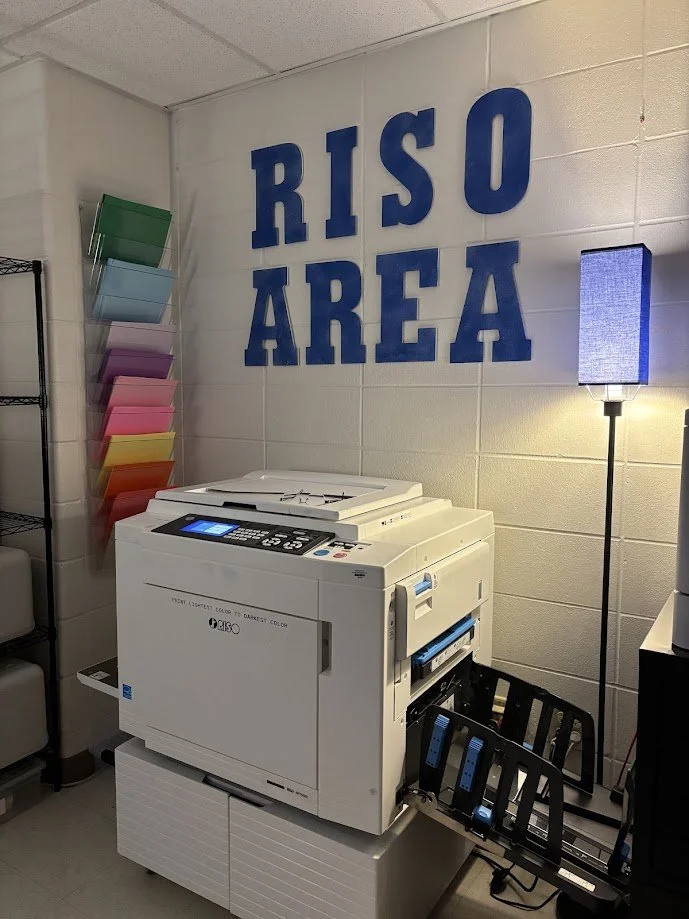
The RISO MH9450 which has recently been added to the art department at Niles West High School in Skokie, IL
So much of students’ creative work today lives on screens: often never experienced beyond that digital space. The RISO offers something powerful in contrast—a cost-effective, eco-friendly, safe way to take that work and transform it into something tactile.
But how are educators incorporating this practice into their existing curriculum? What does that really look like.
Across the country, educators are finding innovative ways to incorporate RISO into their curriculum, using it not just as a printing tool, but as a teaching medium. From color separation and layering to sequencing, pacing, and bookmaking, RISO invites students to slow down, make intentional choices, and engage with their work in a new way.
One recent project that beautifully illustrates this potential comes from photography teacher Patrick Lentz at Chicago High School for the Arts.
From Personal Objects to Printed Pages
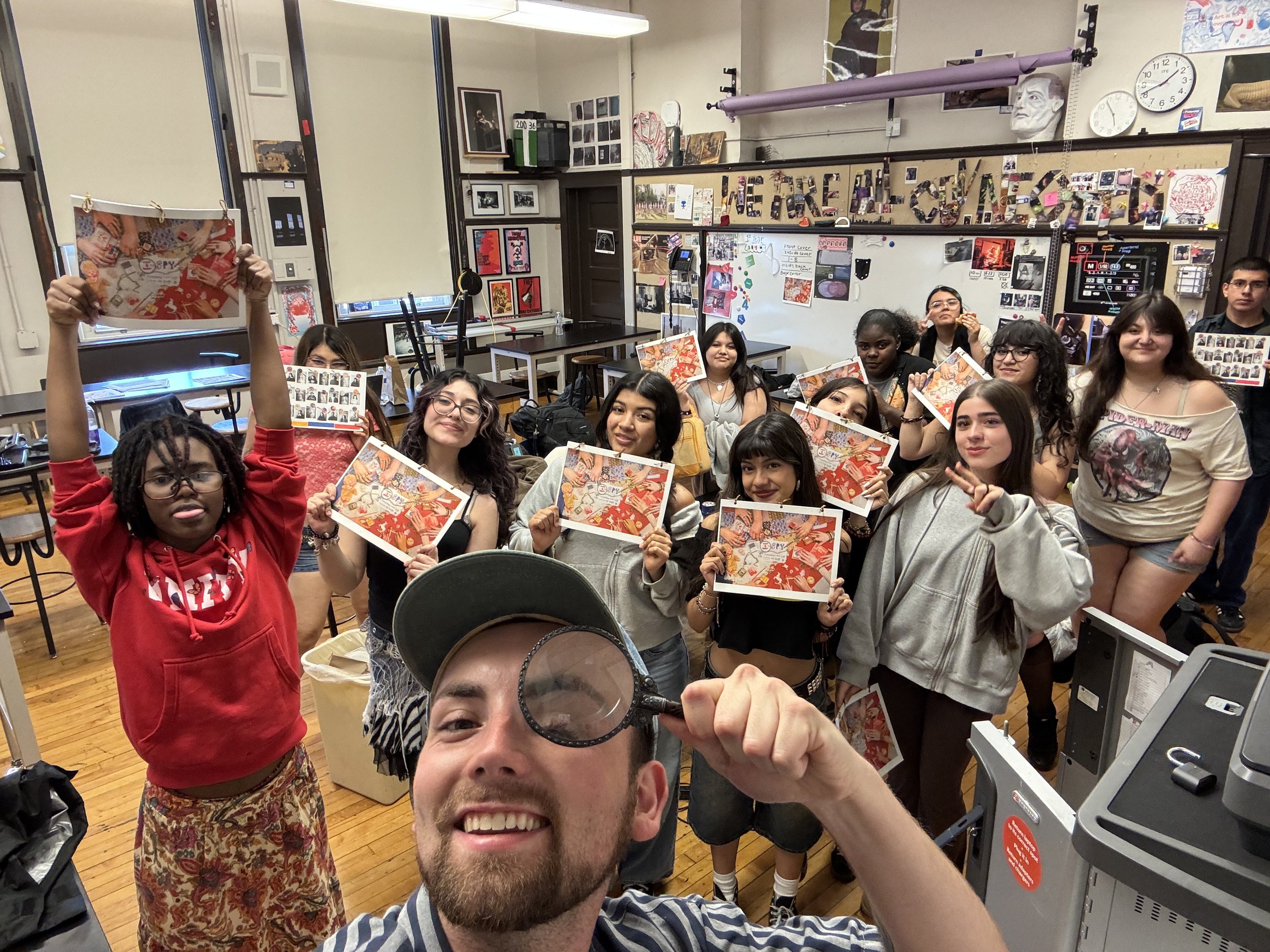
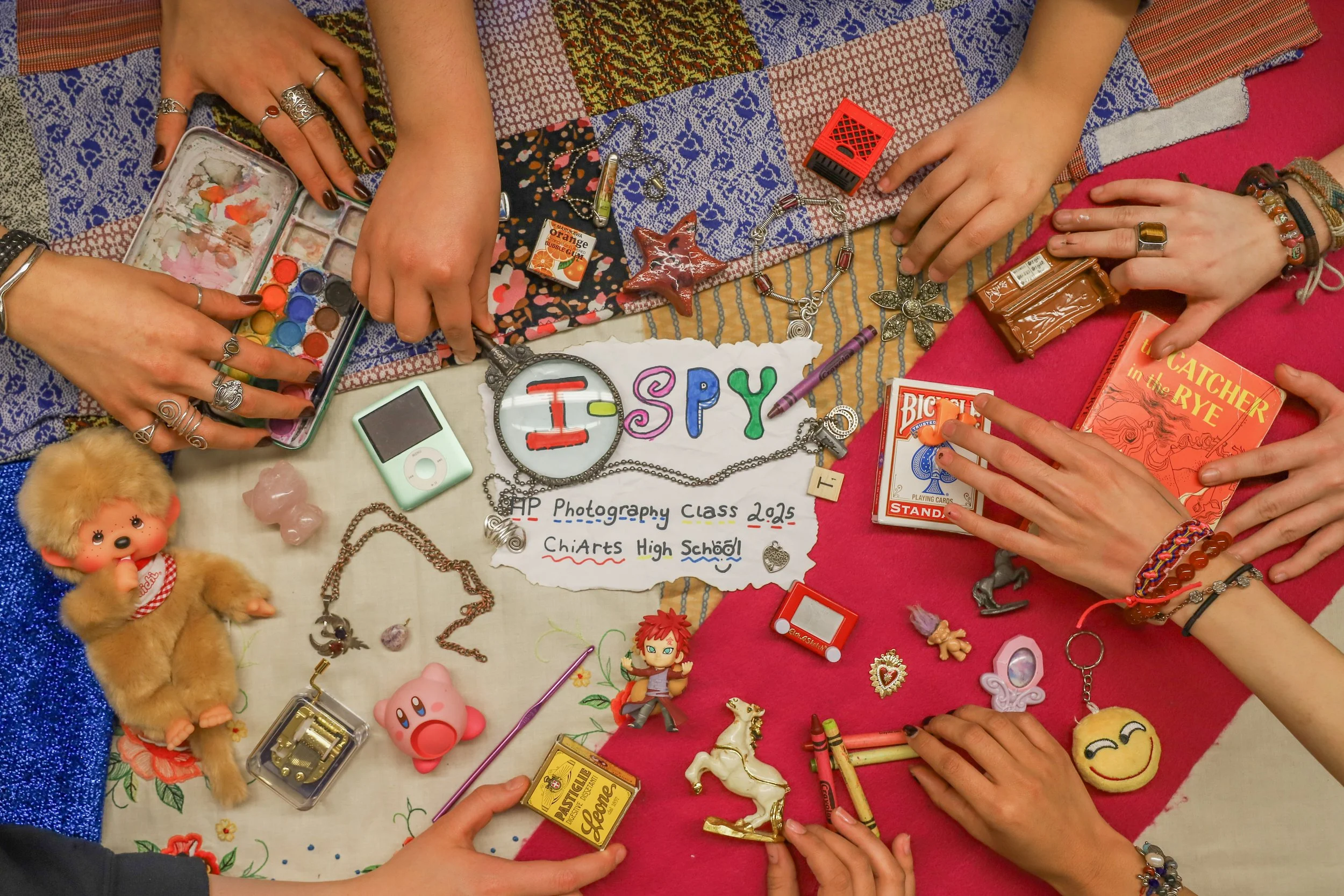
In Patrick’s class, students began with something familiar and personal: their favorite things. Each student gathered a collection of objects—items that reflected their interests, routines, or identities—and arranged them into thoughtful compositions. These still lifes became the foundation for a photography project rooted in observation and storytelling.
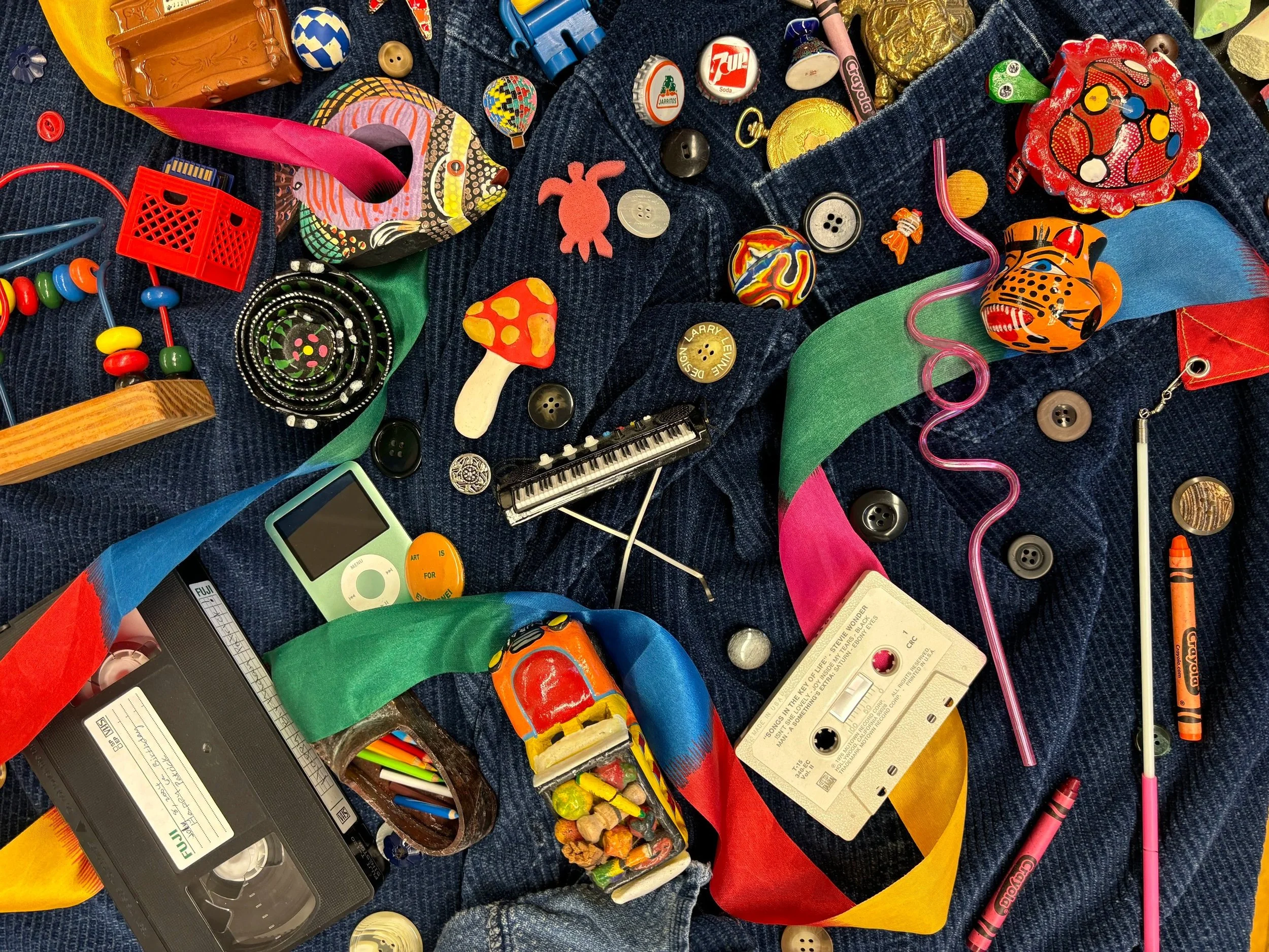
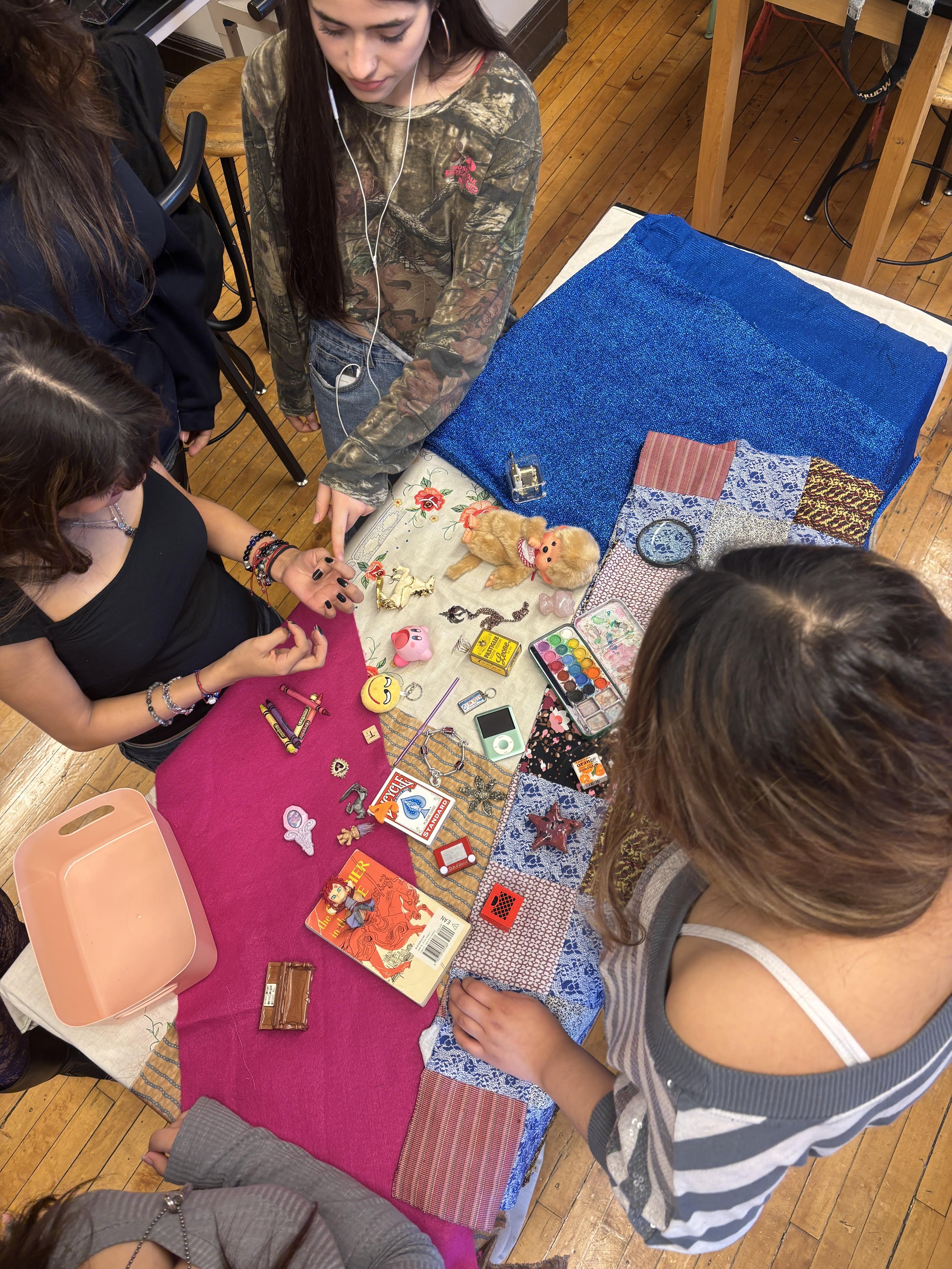
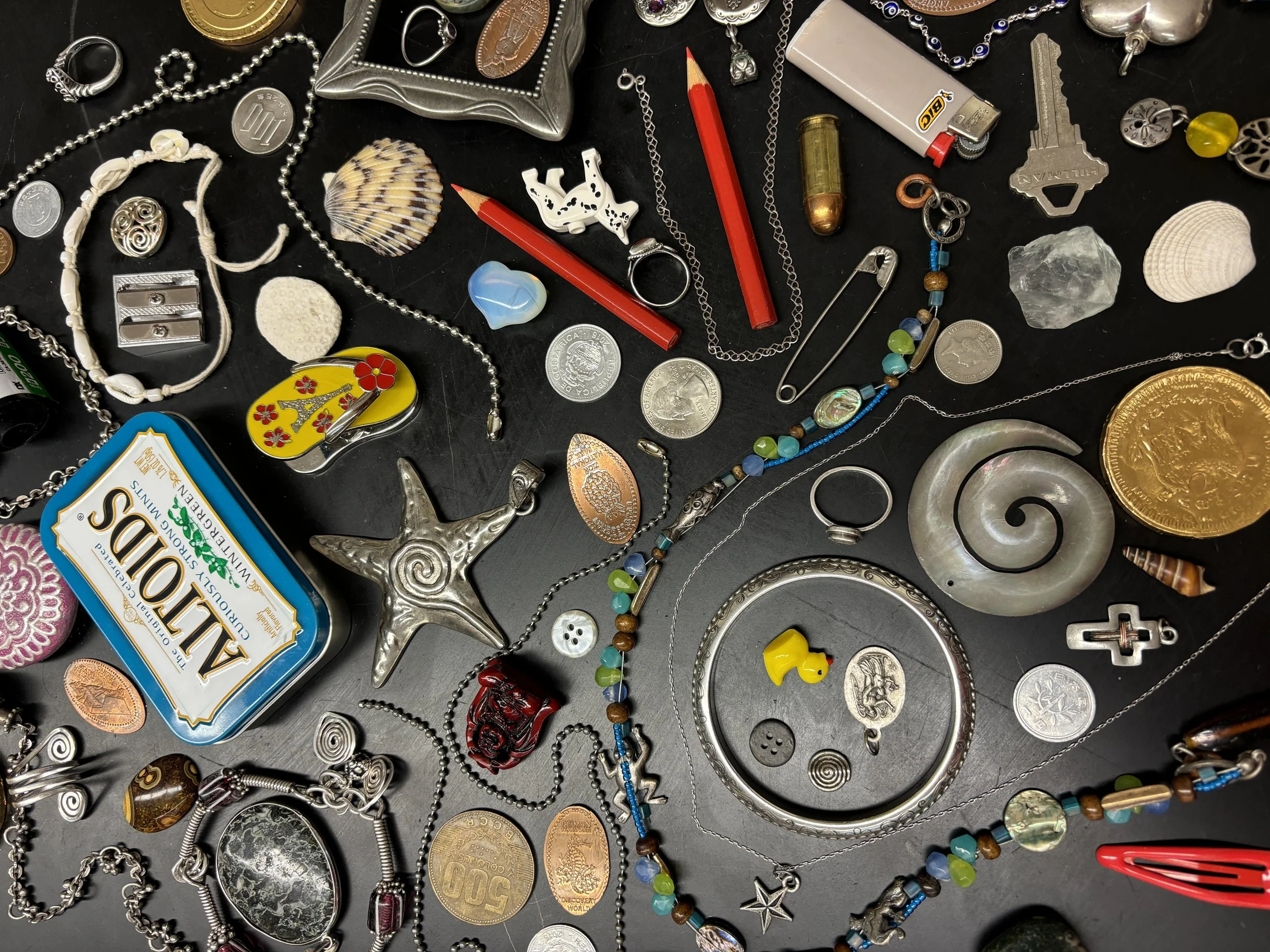
After photographing their compositions, students took the project a step further by translating their images into four-color RISO prints. This phase introduced a new layer of learning: color theory, separation, and how images change as they move from screen to paper.
The final outcome was a collaborative “I-Spy” style book, created by compiling each student’s print into a single bound publication. Along the way, students learned not only photography and printmaking, but also the fundamentals of bookmaking and binding—seeing the project through from concept to finished object.
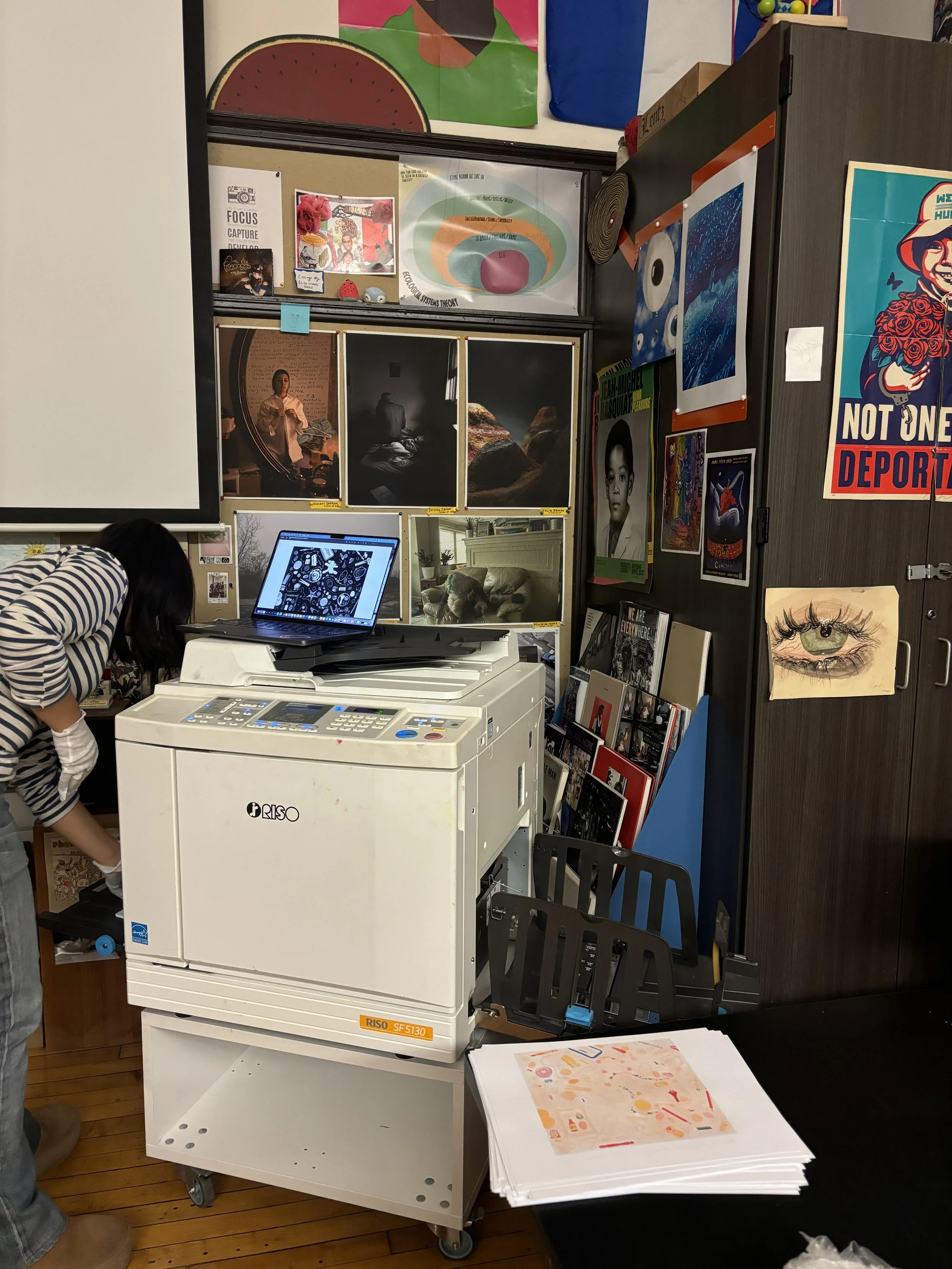
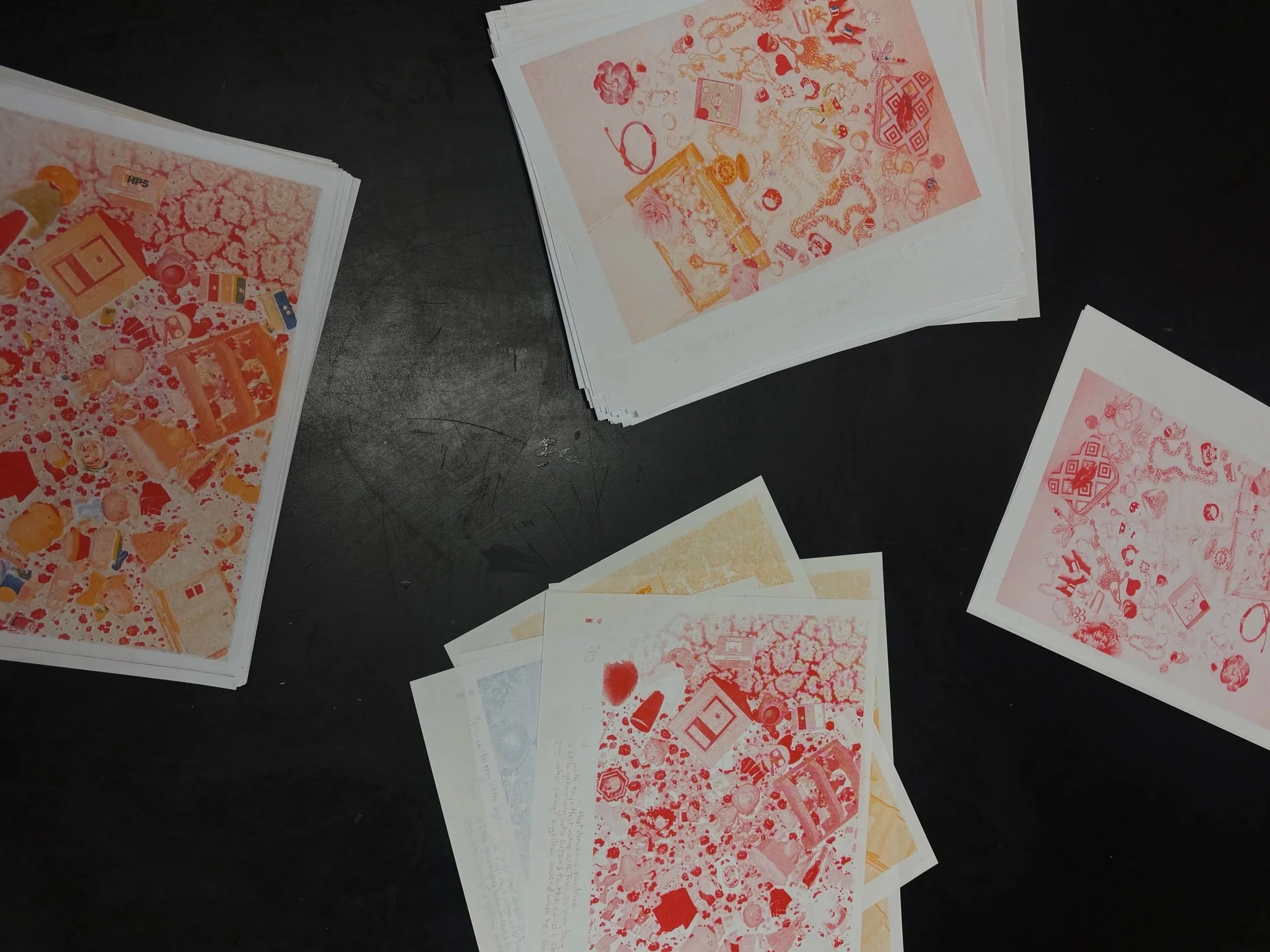
This single assignment touched so many disciplines at once: photography, color theory, printmaking, sequencing, collaboration, and craftsmanship. Just as importantly, it gave students a physical artifact to hold—a book that represented their individual perspectives and their collective work.
Why RISO Matters in Education
Projects like this highlight what makes RISO such a compelling tool in educational settings. It bridges digital and analog processes, encourages experimentation, and makes room for happy accidents and unexpected results. Students don’t just submit a file—they create something tangible, something that exists in the real world.
We love seeing educators push this medium in new directions, and we’re continually inspired by the creativity coming out of classrooms like Patrick’s.
Let’s Keep the Ideas Flowing
We’d love to hear from you.
What RISO projects have you incorporated into your curriculum?
How are your students using print to explore storytelling, design, or collaboration?
If you’ve got a favorite student project or an idea you’ve been wanting to try, share it with us in the comments. The best part of this growing RISO-in-education community is learning from one another—and watching these ideas continue to evolve.